Elon Musk's $1T Pay Package Approved: What It Means for Tesla's Future
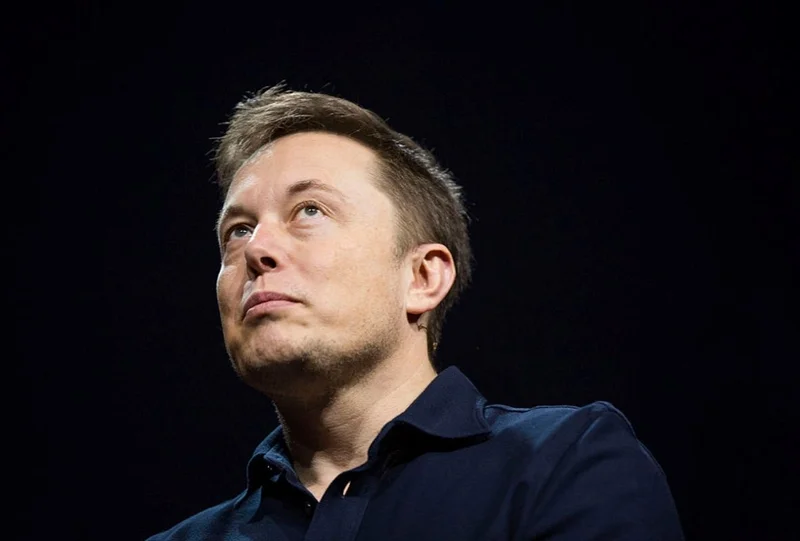
Tesla shareholders have greenlit a new pay package for CEO Elon Musk, potentially worth a staggering $1 trillion over the next decade. It's a headline-grabbing number, but let's dig deeper. Is this a stroke of genius to retain a visionary leader, or a corporate delusion fueled by past successes?
The Trillion-Dollar Carrot
The compensation plan is tied to Tesla hitting ambitious performance targets. We're talking about milestones like an $8.5 trillion market cap (about six times its current valuation) and shipping 20 million vehicles. Oh, and let's not forget delivering 1 million of Tesla's "Optimus" humanoid robots. These aren't just stretch goals; they're more like moonshots.
One prominent Wall Street analyst, Dan Ives of Wedbush Securities, argues this package is necessary to keep Musk laser-focused on Tesla. The logic? Extraordinary returns require extraordinary incentives. But here's where the numbers start to get a little fuzzy.
Tesla's stock has indeed soared since its IPO in 2010, delivering returns of almost 35,000%. Impressive, no doubt, compared to the S&P 500's roughly 550% gain over the same period. But past performance is not indicative of future results, as the saying goes. Can Tesla replicate that growth trajectory with increasing competition and a potentially saturated EV market? And, frankly, how much of that past growth was directly attributable to Musk, and how much to broader market trends and early-mover advantage?
Norway's sovereign wealth fund, holding a stake in Tesla, voted against the pay package. Investment advisory firms Glass Lewis and ISS also recommended shareholders reject it. Their reasoning likely centers on the sheer size of the award and the potential dilution of shareholder value. It's a valid concern. A trillion dollars is a lot of money, even for a company aiming for the stars.
The DOGE Days and Tesla's Stumble
There's also the elephant in the room: Musk's foray into government service. His time spearheading the Trump Administration's Department of Government Efficiency, or DOGE, seems to have had a tangible negative impact on Tesla's sales. Yale University researchers estimate a reduction of as many as 1.2 million vehicles over three years due to consumer backlash.
That's a significant number. And this is the part of the report that I find genuinely puzzling. Did the board seriously consider this reputational damage when structuring the pay package? Or are they betting that Musk's "re-focus" on Tesla will be enough to erase the stain of DOGE?
Musk stepped back from DOGE in May, promising to refocus on Tesla. But the damage may already be done. The association with a polarizing political figure alienated a segment of Tesla's customer base. It's hard to quantify the long-term impact, but it's certainly a factor to consider when evaluating the risk-reward of this compensation plan.
And what about the chip fab Elon says Tesla needs to build? It's a critical piece of the puzzle for AI and robotics, but the investment is enormous, and the timeline uncertain. Elon Musk says Tesla needs to build ‘gigantic chip fab’ to meet AI and robotics needs It's a high-stakes bet on vertical integration, and it could either propel Tesla to new heights or sink it under a mountain of debt.
The Hubris Discount
Look, I've looked at hundreds of these filings, and this particular footnote is unusual. It's a bet on potential, but is it a rational one? Tesla's success hinges on a lot more than just Musk's leadership. It requires navigating a complex geopolitical landscape, managing supply chain disruptions, and staying ahead of the competition in a rapidly evolving market. Slapping a trillion-dollar price tag on that success seems, at best, premature. At worst, it's a recipe for disaster.
So, What's the Real Story?
It's a grand delusion fueled by a genius's past wins.

- Search
- Recently Published
-
- Duke Energy: What's Really Going On?
- Value City Furniture: Are they finally going out of business? The bankruptcy talk.
- Scott Bessent: Who Is This Guy, The Trump Whispers, And What Are They Not Telling Us?
- American Signature Files Chapter 11: What Happened?
- Tesla Ride-Hail in Arizona: What This Means for the Future of Mobility
- OECD: What it is, and its AI Data Focus
- Nebius: Stock, Coreweave, & Nvidia – What's the Real Deal?
- Bitcoin: Beyond the Headlines, What This Moment Truly Signals
- Social Security Retirement: The Realities of Your Payouts and How to Plan
- Starlink Satellites: How Many Are Really Up There, Where They're Hiding, & What's The Actual Point?
- Tag list
-
- carbon trading (2)
- financial innovation (2)
- blockchain technology (2)
- carbon tokens (2)
- Blockchain (11)
- Decentralization (5)
- Smart Contracts (4)
- Cryptocurrency (26)
- DeFi (5)
- Bitcoin (29)
- Trump (5)
- Ethereum (8)
- Pudgy Penguins (5)
- NFT (5)
- Solana (7)
- cryptocurrency (6)
- XRP (3)
- Airdrop (3)
- MicroStrategy (3)
- Stablecoin (3)
- Digital Assets (3)
- PENGU (3)
- Aster (8)
- Zcash (6)
- iren stock (3)