Outback Steakhouse Closures: What Happened?
Outback's Turnaround: More Like a Slow Cooker Than a Flash in the Pan
Outback Steakhouse, the casual dining chain that once defined suburban "Australian" cuisine, is facing headwinds. Bloomin' Brands, its parent company, recently announced the closure of 21 locations, with another 22 leases not being renewed over the next four years. The stated reason? A "turnaround strategy." CEO Mike Spanos claims this plan will drive "long-term sustainable and profitable growth." But is it just corporate spin, or is there actual substance here?
The data paints a mixed picture. On one hand, closing underperforming locations is a standard cost-cutting measure. Bloomin' Brands lost $45.9 million last quarter, so reducing overhead makes sense. On the other hand, the company shuttered over 40 locations last year. (That's more than one a week, if you're counting.) This suggests a deeper problem than just a few bad apples. Competitors like LongHorn and Texas Roadhouse are reporting sales increases of over 5%, highlighting Outback's relative underperformance. Are they really going to be able to turn things around?
The $75 Million Gamble: Steak and Service
Outback plans to invest $75 million in its turnaround. The focus? "Better-quality steaks" and "more attentive service." While those sound like obvious improvements, the devil is in the details. Improving steak quality likely means higher ingredient costs, potentially squeezing margins further. And "more attentive service" translates to higher labor costs in an industry already struggling with staffing shortages. They're also planning on remodeling the surviving restaurants. The goal is "brighter-looking interiors, smaller kitchens, and bigger order pickup stations." I'm not sure about that last one.
Here's where I get skeptical. The shift toward order pickup suggests Outback is chasing the takeout trend (which, I have to admit, seems weird for a steakhouse). But is takeout steak really a growth market? Are people really clamoring for a slightly soggy ribeye they can eat in their car? Or is this a reaction to declining dine-in traffic, a desperate attempt to salvage revenue? We can look at the anecdotal data available: the comments on the news articles. Most people seem to complain about the prices, not the availability of takeout.
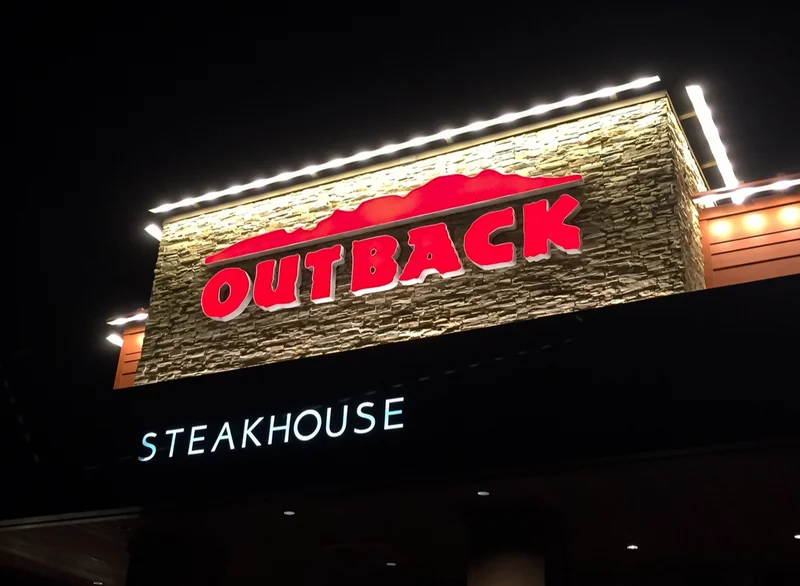
The Birmingham Bellwether: A Tale of Two Closures
The closure of two Outback locations in Birmingham, Alabama, offers a micro-level view of the situation. One was on 20th Street South, the other in Inverness on Highway 280. (Specific locations often tell a story.) Were these locations underperforming due to local economic factors, increased competition from other restaurants, or simply poor management? The articles don't say, and that lack of granular detail is frustrating. 2 Birmingham Outback locations close abruptly as part of company’s national turnaround plan
And this is the part of the report that I find genuinely puzzling: the lack of transparency. Outback isn't identifying which locations are closing. Why? Are they trying to avoid negative publicity, or is there a more strategic reason? The silence creates uncertainty and fuels speculation. It also makes it harder to assess the true scope of the problem.
Is This Really a Turnaround, or Just Damage Control?
Outback's turnaround plan feels more like a Band-Aid than a long-term solution. Investing in better steaks and service is a start, but it doesn't address the fundamental issues: changing consumer preferences, increased competition, and a brand identity that feels increasingly dated. Unless Outback can adapt to these challenges, these closures may just be the beginning.
So, What's the Real Story?
The numbers suggest a slow decline masked by corporate optimism. Outback's turnaround plan might slow the bleeding, but it's unlikely to reverse the trend.

- Search
- Recently Published
-
- Duke Energy: What's Really Going On?
- Value City Furniture: Are they finally going out of business? The bankruptcy talk.
- Scott Bessent: Who Is This Guy, The Trump Whispers, And What Are They Not Telling Us?
- American Signature Files Chapter 11: What Happened?
- Tesla Ride-Hail in Arizona: What This Means for the Future of Mobility
- OECD: What it is, and its AI Data Focus
- Nebius: Stock, Coreweave, & Nvidia – What's the Real Deal?
- Bitcoin: Beyond the Headlines, What This Moment Truly Signals
- Social Security Retirement: The Realities of Your Payouts and How to Plan
- Starlink Satellites: How Many Are Really Up There, Where They're Hiding, & What's The Actual Point?
- Tag list
-
- carbon trading (2)
- financial innovation (2)
- blockchain technology (2)
- carbon tokens (2)
- Blockchain (11)
- Decentralization (5)
- Smart Contracts (4)
- Cryptocurrency (26)
- DeFi (5)
- Bitcoin (29)
- Trump (5)
- Ethereum (8)
- Pudgy Penguins (5)
- NFT (5)
- Solana (7)
- cryptocurrency (6)
- XRP (3)
- Airdrop (3)
- MicroStrategy (3)
- Stablecoin (3)
- Digital Assets (3)
- PENGU (3)
- Aster (8)
- Zcash (6)
- iren stock (3)