Federal Reserve's Rate Cut: What Happened and Why It Matters
The Fed's Rate Cut: A Calculated Risk or a Sign of Things to Come?
The Federal Reserve just cut interest rates again, and while the markets wobbled initially, I think this is a huge, fascinating move. It's not just about basis points; it's about the Fed trying to navigate a truly uncertain economic landscape. We're talking about a central bank trying to steer the ship in dense fog, and frankly, I'm glued to the screen.
What's got everyone talking? The Fed lowered the federal funds rate by 0.25 percentage points, bringing it down to a range of 3.75% to 4%. This follows a similar cut back in September, marking the second time they've eased rates since December 2024. The goal is clear: stimulate economic growth by making borrowing cheaper, encouraging both consumers and businesses to spend and invest. But Fed Chair Jerome Powell threw a curveball, hinting that another rate cut at the December meeting isn't a sure thing—it wasn't a foregone conclusion, in his words. And you could practically feel the market's collective intake of breath. What does it all mean?
The backdrop to all of this is a labor market showing signs of weakness. The Fed's dual mandate – keeping inflation and unemployment low – is being tested. While inflation is coming down from its peak, it’s still above the Fed’s 2% target. At the same time, there are signals that the job market is slowing. It's a delicate balancing act, like trying to fine-tune a hypercar while it's already speeding down the track. The government shutdown adds another layer of complexity. The Fed relies on economic data to make informed decisions, but with that data in short supply, they're essentially flying blind. "What do you do when you are driving in the fog? You slow down," Powell said.
Navigating the Fog
The Fed's recent decision to update its supervisory rating framework for large bank holding companies is also a significant move. These changes, which will take effect 60 days after publication in the Federal Register, are designed to ensure that ratings more accurately reflect a firm’s overall safety and soundness. What is a "deficient-1" component rating, you ask? Essentially, it's a measure of weakness in a specific area. Under the new rules, a bank with no more than one of these ratings can still be considered "well managed." It's about looking at the big picture, not just isolated problems. This is a smart adjustment, in my opinion, preventing knee-jerk reactions based on minor issues. It is like a doctor treating the patient, not just the symptom. For more information, see Federal Reserve Updates Supervisory Ratings, Easing ‘Well Managed’ Standard For Big Banks / Fresh Today / CUToday.info. It is like a doctor treating the patient, not just the symptom.
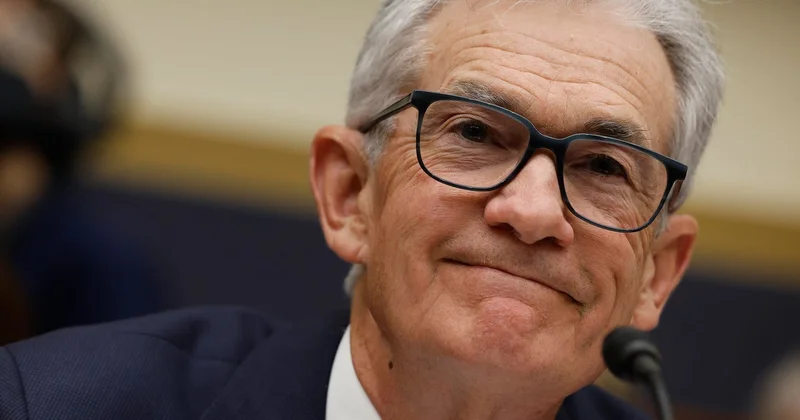
But here's the million-dollar question: is this rate cut a calculated risk, or a sign that the Fed is genuinely concerned about the economy? Powell's comments suggest a divided Fed, with some members eager to pause and assess the situation, while others are pushing for further cuts. This internal debate highlights the uncertainty surrounding the economic outlook. The lack of government data due to the shutdown only adds to the confusion. It's like trying to solve a complex puzzle with half the pieces missing.
What I find particularly interesting is the Fed's focus on the labor market. While inflation remains a concern, the Fed seems more worried about the potential for job losses. This suggests that they believe the risks to the labor market outweigh the risks of inflation. It's a bold move, and one that could have significant consequences. What does it mean for us, the average person? Lower borrowing costs could stimulate the economy, leading to more jobs and higher wages. On the other hand, it could also lead to higher inflation, eroding purchasing power. It's a gamble, no doubt about it.
The Dawn of a New Economic Era?
This isn't just about interest rates and economic indicators; it's about the future of our economy. The Fed's actions will have a ripple effect on everything from housing prices to stock market valuations. We're living in a time of unprecedented economic uncertainty, and the Fed is trying to navigate these uncharted waters. Will they succeed? Only time will tell. But one thing is clear: the decisions they make in the coming months will shape the economic landscape for years to come. When I think about the speed of all this, I just sit back in my chair, speechless.
The Fed's Playing a High-Stakes Game
The Fed's navigating a tricky situation, but its focus on the labor market signals a proactive approach to economic challenges. While uncertainty persists, their actions could pave the way for a more robust and inclusive economy.

- Search
- Recently Published
-
- Duke Energy: What's Really Going On?
- Value City Furniture: Are they finally going out of business? The bankruptcy talk.
- Scott Bessent: Who Is This Guy, The Trump Whispers, And What Are They Not Telling Us?
- American Signature Files Chapter 11: What Happened?
- Tesla Ride-Hail in Arizona: What This Means for the Future of Mobility
- OECD: What it is, and its AI Data Focus
- Nebius: Stock, Coreweave, & Nvidia – What's the Real Deal?
- Bitcoin: Beyond the Headlines, What This Moment Truly Signals
- Social Security Retirement: The Realities of Your Payouts and How to Plan
- Starlink Satellites: How Many Are Really Up There, Where They're Hiding, & What's The Actual Point?
- Tag list
-
- carbon trading (2)
- financial innovation (2)
- blockchain technology (2)
- carbon tokens (2)
- Blockchain (11)
- Decentralization (5)
- Smart Contracts (4)
- Cryptocurrency (26)
- DeFi (5)
- Bitcoin (29)
- Trump (5)
- Ethereum (8)
- Pudgy Penguins (5)
- NFT (5)
- Solana (7)
- cryptocurrency (6)
- XRP (3)
- Airdrop (3)
- MicroStrategy (3)
- Stablecoin (3)
- Digital Assets (3)
- PENGU (3)
- Aster (8)
- Zcash (6)
- iren stock (3)