Huntington's $7.4B Cadence Bank Deal: What This Means For You and the Usual Corporate BS
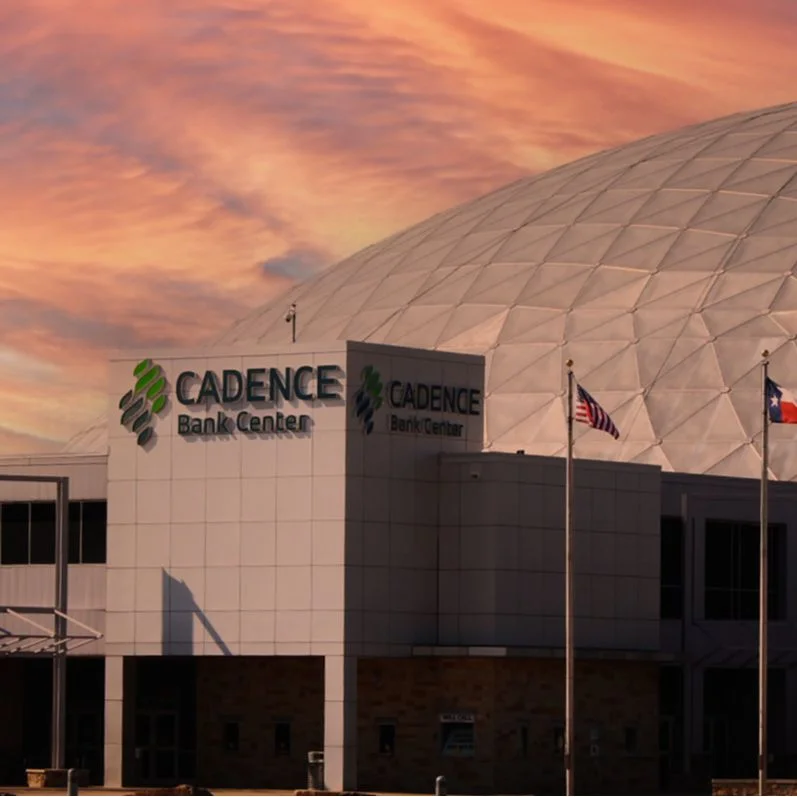
So, another regional bank gets eaten. The news broke that Regional lender Huntington to buy smaller rival Cadence Bank in $7.4 billion deal, and the press release reads like a fairy tale written by a committee of MBAs. They’re talking about "strategic presence," "high-growth markets," and a "people-first, customer-centered" approach.
Give me a break.
I’ve been watching these mergers for years, and they all follow the same script. Two banks, desperate to get bigger so they don’t get eaten by an even bigger bank, decide to merge. They release a flood of corporate-speak about "synergies" and "enhanced customer experiences." The CEOs slap each other on the back, cash their bonus checks, and tell everyone how this will revolutionize banking for the little guy.
It’s a lie. This is just standard PR fluff. No, "fluff" doesn't cover it—this is a calculated fantasy sold to regulators and shareholders to justify a deal that makes a handful of people very, very rich. When Huntington's CEO, Steve Steinour, says this is a "significant step on our journey to be the leading people-first, customer-centered bank in the country," I have to ask: who, exactly, are these "people"? Is it the Cadence employee in Tupelo, Mississippi, who now has to wonder if their job is safe once the "efficiencies" are found? Is it the small business owner in Houston who had a personal relationship with their Cadence banker, a relationship that’s about to be replaced by a call center in Ohio?
Or are the "people" just the ones sitting in the boardroom?
The Great Banking Blob Keeps Growing
Let's be real about what's happening here. The world of banking is becoming an arms race. You have the god-tier giants—JPMorgan, Bank of America, Wells Fargo—who are so massive they might as well be utilities. Then you have this tier of "super regional" banks like Huntington, PNC, and Capital One. They look at the big guys and get scared. They know they can’t compete on sheer scale, so they do the only thing they can: they start eating each other.
This Huntington-Cadence deal isn't some brilliant strategic masterstroke. It’s a defensive move. It’s like watching a nature documentary where a medium-sized shark frantically swallows a smaller shark, hoping the extra bulk will make it look less appetizing to the Great White lurking in the depths. The customer, in this analogy, is the plankton just getting churned up in the frenzy. We’re an afterthought.
They promise no branch closures. I’ll believe that when I see it. That’s the carrot they dangle to get the deal approved without a public outcry. But wait a year. Wait until the ink is dry and the integration teams, armed with spreadsheets and a mandate to cut costs, start looking for "redundancies." That friendly Cadence branch on the corner? It’s now a line item, and its value is measured against the Huntington branch three blocks away. How long do you think that promise will last?
And the promise of better tech? Please. My own bank just "upgraded" its mobile app, and now I can’t even deposit a check without it crashing. It's like they think "innovation" means adding another notification permission pop-up. They talk about bringing Huntington's "Fair Play" products like 24-Hour Grace® and Early Pay to Cadence customers, which sounds nice, I guess. But are these features really a substitute for competitive interest rates, lower fees, and a banker who actually knows your name? Or are they just shiny objects to distract us from the fact that our choices are shrinking?
They expect us to believe that this new, bigger Huntington will suddenly become a benevolent force for good in places like Austin, Atlanta, and Nashville. But when you create a $276 billion financial institution stretching across 21 states, you don’t get more local. You get less. Decisions get made further and further away from the communities they affect. The entire thing becomes a massive, impersonal machine, and we're just cogs in it...
Then again, maybe I'm the crazy one. Maybe this time it'll be different. Maybe this banking behemoth really will put people first. And maybe I'll win the lottery tomorrow.
A Familiar Tune, A Bigger Stage
The playbook is so predictable it's almost boring. Cadence CEO Dan Rollins gets a cushy landing spot as non-executive Vice Chairman on Huntington's board. Two other Cadence board members get seats at the table, too. Everyone at the top is taken care of. It’s a nice, tidy arrangement that ensures a smooth transition of power.
But what about the actual culture of Cadence Bank? They talk about its "relationship-first, community-based approach." How do you preserve that when you're absorbed into a company four times your size, headquartered a thousand miles away? You can't. It’s impossible. That local identity, built over 150 years, will be sanded down and painted over with Huntington's corporate branding until nothing is left but the logo on the door.
This isn’t just about Huntington and Cadence. It’s about the slow death of competition in American banking. With every one of these mergers—Capital One buying Discover, PNC buying FirstBank—the pool of options for consumers gets smaller and shallower. We’re left with a handful of giant, interchangeable institutions that all offer the same mediocre service, the same frustrating apps, and the same hollow promises.
They say this deal will create a "powerful platform for further organic growth." Let me translate that for you: Now that we’re bigger, we have more money to either buy up more small banks or crush them. It's not about building something new; it's about dominating what's already there. Is that really what we want from our financial system? A landscape with a few giants and no room for anyone else?
Same Story, Different Logos
At the end of the day, this isn't a story about growth or innovation. It's a story about consolidation and survival in a hyper-competitive market. It's a shell game, and the only ones who win are the ones holding the shells. The rest of us just get to watch our local bank branch turn into another soulless corporate outpost. Offcourse, they'll tell you it's for your own good, a necessary step toward a brighter financial future. But it ain't our future they're building. It's theirs.

- Search
- Recently Published
-
- Duke Energy: What's Really Going On?
- Value City Furniture: Are they finally going out of business? The bankruptcy talk.
- Scott Bessent: Who Is This Guy, The Trump Whispers, And What Are They Not Telling Us?
- American Signature Files Chapter 11: What Happened?
- Tesla Ride-Hail in Arizona: What This Means for the Future of Mobility
- OECD: What it is, and its AI Data Focus
- Nebius: Stock, Coreweave, & Nvidia – What's the Real Deal?
- Bitcoin: Beyond the Headlines, What This Moment Truly Signals
- Social Security Retirement: The Realities of Your Payouts and How to Plan
- Starlink Satellites: How Many Are Really Up There, Where They're Hiding, & What's The Actual Point?
- Tag list
-
- carbon trading (2)
- financial innovation (2)
- blockchain technology (2)
- carbon tokens (2)
- Blockchain (11)
- Decentralization (5)
- Smart Contracts (4)
- Cryptocurrency (26)
- DeFi (5)
- Bitcoin (29)
- Trump (5)
- Ethereum (8)
- Pudgy Penguins (5)
- NFT (5)
- Solana (7)
- cryptocurrency (6)
- XRP (3)
- Airdrop (3)
- MicroStrategy (3)
- Stablecoin (3)
- Digital Assets (3)
- PENGU (3)
- Aster (8)
- Zcash (6)
- iren stock (3)