Dow Jones Stock Markets: Volatile Week and Tech Sell-Off
Title Fulfillment: Tech's "Magnificent Seven" Are Showing Cracks
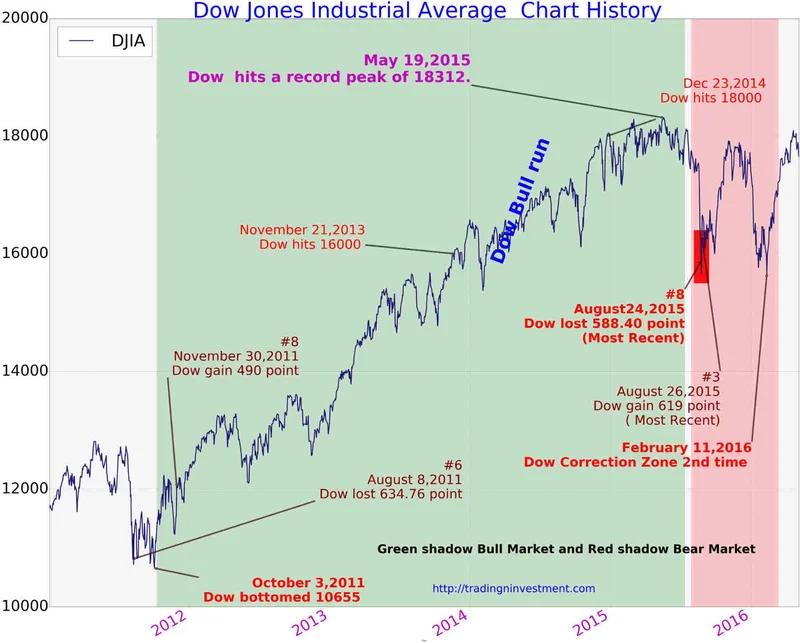
US stocks wobbled their way through a volatile week, ending on a mixed note Friday. The Dow Jones Industrial Average eked out a 0.1% gain, the S&P 500 mirrored that with a 0.1% rise, while the tech-heavy Nasdaq Composite dipped 0.2%. The story isn’t in the fractional gains, but in the underlying fragility. The Nasdaq, in particular, suffered its worst week since April.
The Magnificent Seven's Stumble
The so-called "Magnificent Seven" (Apple, Microsoft, Alphabet, Amazon, Nvidia, Tesla, and Meta) have been driving a significant portion of the market's gains this year. But cracks are starting to appear. Nvidia and Tesla, previously untouchable darlings, experienced seesaw stretches. The Roundhill Magnificent Seven ETF and iShares Semiconductor ETF both slid. The S&P’s tech sector was the week's biggest drag, despite a majority of stocks in the index closing higher Friday.
David Donabedian, co-chief investment officer of CIBC Private Wealth, told Barron’s he views the latest slide as a short-term trend reversal after riskier stocks have surged from late April through October. “We're still, at the end of the day, cautiously bullish,” says Donabedian. “We still think it's a bull market, and what we see here looks like a normal pull back after a heck of a run.” That's a comforting narrative, but I'm not entirely convinced. A "normal pullback" doesn’t usually involve trillion-dollar companies experiencing this level of volatility.
Economic Headwinds & The AI Hype
Adding fuel to the fire, economic data is painting a less-than-rosy picture. Consumer sentiment, as measured by the University of Michigan, plummeted to 50.3, the lowest reading since 2022. Respondents specifically cited concerns about the ongoing US government shutdown. Layoff announcements hit their highest October level in over 20 years, making this the worst year for job cuts since 2009.
The shutdown itself is exacerbating the problem. The Bureau of Labor Statistics was scheduled to release the October jobs report on Friday, but its publication has been delayed for the second straight month. This lack of official data leaves investors grasping at private reports, which can be unreliable (or at least, subject to revision once the official numbers are released).
Then there's the AI elephant in the room. Tesla's board approved a potentially $1 trillion pay package for Elon Musk, contingent on him hitting ambitious growth targets and delivering on promises related to robotaxis and humanoid robots. Tesla shares promptly fell over 3%. It's a bold bet (or perhaps a desperate gamble) that the hardware side of the AI boom will actually materialize. The market seems to be saying, "Show me the robots."
I've looked at hundreds of these executive compensation packages, and the sheer size of this one is genuinely breathtaking. It's not just about rewarding past performance; it's a massive upfront investment in a future that is, at best, highly uncertain. Are we witnessing rational exuberance, or a collective delusion fueled by cheap capital and the fear of missing out?
Donabedian says he’s keeping his eye on the high-yield bond market, which he says “looks OK" despite some worries that credit in the economy is deteriorating. But it's hard to ignore the growing disconnect between the narrative of continued growth and the increasingly shaky data points.
The AI Bubble Needs a Pin
The market’s infatuation with AI is starting to resemble the dot-com bubble. The "Magnificent Seven" have enjoyed a meteoric rise, but their valuations are increasingly detached from reality. The underlying economic data suggests a slowdown, and the AI revolution is still more promise than profit. The question isn’t if the bubble will burst, but when and how violently.

- Search
- Recently Published
-
- Duke Energy: What's Really Going On?
- Value City Furniture: Are they finally going out of business? The bankruptcy talk.
- Scott Bessent: Who Is This Guy, The Trump Whispers, And What Are They Not Telling Us?
- American Signature Files Chapter 11: What Happened?
- Tesla Ride-Hail in Arizona: What This Means for the Future of Mobility
- OECD: What it is, and its AI Data Focus
- Nebius: Stock, Coreweave, & Nvidia – What's the Real Deal?
- Bitcoin: Beyond the Headlines, What This Moment Truly Signals
- Social Security Retirement: The Realities of Your Payouts and How to Plan
- Starlink Satellites: How Many Are Really Up There, Where They're Hiding, & What's The Actual Point?
- Tag list
-
- carbon trading (2)
- financial innovation (2)
- blockchain technology (2)
- carbon tokens (2)
- Blockchain (11)
- Decentralization (5)
- Smart Contracts (4)
- Cryptocurrency (26)
- DeFi (5)
- Bitcoin (29)
- Trump (5)
- Ethereum (8)
- Pudgy Penguins (5)
- NFT (5)
- Solana (7)
- cryptocurrency (6)
- XRP (3)
- Airdrop (3)
- MicroStrategy (3)
- Stablecoin (3)
- Digital Assets (3)
- PENGU (3)
- Aster (8)
- Zcash (6)
- iren stock (3)