The IRS 'Stimulus Check' for 2025: What's Actually True and If You'll See a Dime
Generated Title: That $2,000 IRS Stimulus Check Everyone's Talking About? It's a Ghost.
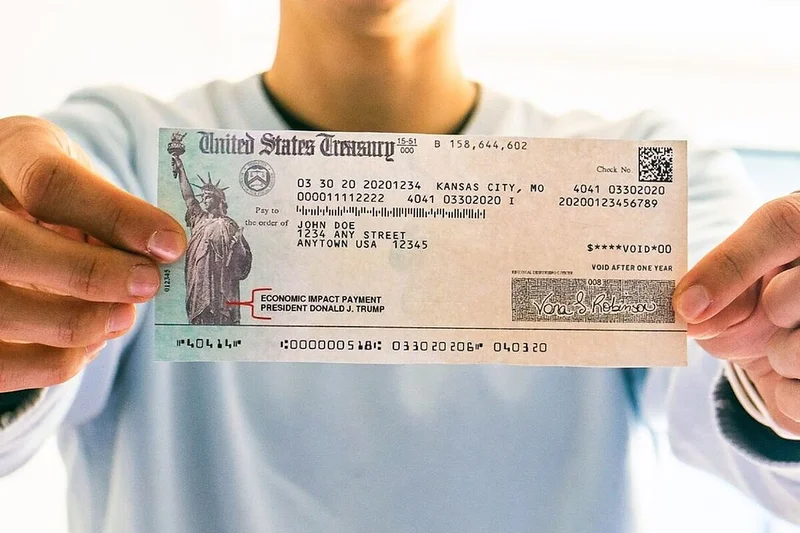
Let’s just get this over with. That $2,000 check from the IRS you keep seeing in your Facebook feed, wedged between your aunt’s vacation photos and some unhinged political meme? It’s not real. It’s a ghost. A digital phantom cooked up to prey on desperation and rack up cheap clicks.
Every few months, this same story claws its way out of the digital sewer. The numbers change—sometimes it’s $1,390, other times a strangely specific $1,702, now it's a nice, round $2,000—but the game is always the same. A blurry image of the Treasury building, a headline screaming about "guaranteed payments," and a comments section filled with people asking, "Is this true for my state?"
It’s just sad. No, "sad" doesn't cover it—it's a masterclass in digital desperation. We’re so beaten down by inflation and political noise that a random social media post has more credibility than common sense. The IRS is practically begging people to stop clicking on these things, issuing warnings about phishing scams designed to siphon your bank details. Their official advice is to use their "Where's My Refund" tool, but that's like telling someone whose house is on fire to please fill out a form in triplicate.
The government’s official line is a dry, sterile warning about protecting your personal information. My translation? They're telling you not to be an idiot, but in a way that won't get them sued. The real question isn't whether the check is fake. We know it is. The question is, why does this lie work so well, over and over again? Is everyone just that broke, or have we collectively decided that reality is optional?
The Political Shell Game
Of course, the professional liars in Washington aren't helping. Donald Trump has been floating these vague, half-baked ideas about using tariff revenue to fund "rebate checks." He even threw out a sci-fi sounding "$5,000 DOGE dividend," a term that sounds like it was invented by a focus group of crypto bros and Elon Musk fanboys. It’s all vapor. There’s no bill, no plan, no movement. It’s political theater designed to make you think someone, somewhere, is looking out for you.
This is the classic shell game. The politicians wave around shiny objects like "DOGE dividends" to distract you from the fact that your grocery bill has doubled. It's not about policy; it's about managing your mood. And every time a politician mentions 'rebates,' you just know the fine print will be a nightmare.
Meanwhile, people get confused because some states are actually sending out money. New Jersey has its ANCHOR property tax relief. New York and others have sent out "inflation relief checks." These are real, but they're state-level programs, funded by state budgets. They are not the feds riding to the rescue with another multi-trillion-dollar stimulus package. It's the difference between finding a twenty-dollar bill on the sidewalk and winning the lottery. People are clinging to these state-level scraps while the ghost of a federal feast dances in their social media feeds. Frankly, the bureaucratic maze of what's state, what's federal, and what's a flat-out scam is so dense, I don't blame anyone for being confused. It feels intentional.
The Real Money Story You’re Not Hearing
So, while everyone is chasing the ghost of a $2,000 stimulus check, the real money story is happening somewhere else entirely—and it's a lot more complicated. According to David Kelly, a chief strategist at JPMorgan, A tax-refund surge is coming, JPMorgan strategist says — and it’ll shift US economy like a new round of stimulus checks. This wave of cash isn't a stimulus check, however. It’s a surge in tax refunds expected in 2026.
Here’s the deal: a bunch of tax cuts from Trump’s "One Big Beautiful Bill Act" (OBBBA) are retroactive to the start of 2025. But the IRS isn't adjusting tax withholdings this year. In plain English, that means many people are overpaying their taxes all year long, and they'll get a bigger-than-usual refund come 2026. Kelly estimates the average refund could jump by more than $500.
This sounds great, right? A little extra cash. But here’s the catch. Kelly says this flood of refund money will act like another stimulus check, hitting the economy all at once and potentially kicking off another round of inflation. Remember what happened to the price of lumber, used cars, and everything else after the last stimulus checks? Yeah, get ready for the sequel.
And the best part? It's not a flat payment for everyone. These are tax deductions. As Kelly points out, "the higher your marginal tax rate, the greater the value of the deduction." So, offcourse, the system is designed to give a bigger boost to higher earners. It’s the same old story: a complicated financial maneuver disguised as a benefit for the little guy, which ultimately funnels more advantages to those who already have them.
Then again, who am I to argue with a JPMorgan strategist? Maybe he's right and we're all about to spend our way into another economic headache. Or maybe it's just more noise designed to keep us anxious and distracted. At this point, it's hard to tell the difference.
So Stop Waiting by the Mailbox
Let's be real. The government isn't your friend, and it's not sending you a surprise check out of the goodness of its heart. These rumors aren't just misinformation; they're a symptom of a much deeper sickness. We're a country so financially insecure that a blurry screenshot on social media feels like a viable economic plan. The real action isn't in phantom stimulus payments. It's buried deep in tax code revisions and Wall Street analyses that most people will never read. The free money ain't coming. It never was.

- Search
- Recently Published
-
- Duke Energy: What's Really Going On?
- Value City Furniture: Are they finally going out of business? The bankruptcy talk.
- Scott Bessent: Who Is This Guy, The Trump Whispers, And What Are They Not Telling Us?
- American Signature Files Chapter 11: What Happened?
- Tesla Ride-Hail in Arizona: What This Means for the Future of Mobility
- OECD: What it is, and its AI Data Focus
- Nebius: Stock, Coreweave, & Nvidia – What's the Real Deal?
- Bitcoin: Beyond the Headlines, What This Moment Truly Signals
- Social Security Retirement: The Realities of Your Payouts and How to Plan
- Starlink Satellites: How Many Are Really Up There, Where They're Hiding, & What's The Actual Point?
- Tag list
-
- carbon trading (2)
- financial innovation (2)
- blockchain technology (2)
- carbon tokens (2)
- Blockchain (11)
- Decentralization (5)
- Smart Contracts (4)
- Cryptocurrency (26)
- DeFi (5)
- Bitcoin (29)
- Trump (5)
- Ethereum (8)
- Pudgy Penguins (5)
- NFT (5)
- Solana (7)
- cryptocurrency (6)
- XRP (3)
- Airdrop (3)
- MicroStrategy (3)
- Stablecoin (3)
- Digital Assets (3)
- PENGU (3)
- Aster (8)
- Zcash (6)
- iren stock (3)