Hong Kong Approves a Solana ETF: Why This Is Just More Crypto Noise
So, Hong Kong just rolled out the red carpet for a spot Solana ETF. The crypto bros are popping champagne, the finance guys are adjusting their ties, and I’m sitting here wondering if anyone’s actually read the fine print.
This isn’t some revolutionary moment. It’s a concession. A carefully managed, state-approved sandbox for an asset class that was supposed to burn the old world down. ChinaAMC gets to launch its shiny new toy on the Hong Kong exchange, and everyone’s supposed to cheer because now you can buy SOL with your Hong Kong Dollars, your Yuan, or your US Dollars. Progress, right?
Give me a break.
They’re calling it a "vote of confidence" in Solana. One guy, Joshua Sum from Solayer Labs, said in Hong Kong SFC Clears City's First Spot Solana ETF that it provides a "proper, regulated channel" for investors. Let me translate that corporate-speak for you: "We’ve finally found a way to let the suits play with our magic internet money without them having to touch a real wallet or understand what a private key is." It's the financial equivalent of putting plastic covers on the good furniture so the guests don’t spill anything.
The Illusion of Progress
Let's get to the real meat of this thing, the part that makes this whole party feel like a sham. The fund's filing explicitly states it "will not stake any portion of the SOL" it holds.
Read that again. They are buying an asset whose network is secured and maintained by staking—a process that also generates yield for holders—and they are deliberately choosing not to participate. This is like buying a championship racehorse and keeping it in the stable to look at. It's buying a rental property and refusing to collect rent. It’s fundamentally misunderstanding, or worse, ignoring, the core utility of the asset itself.
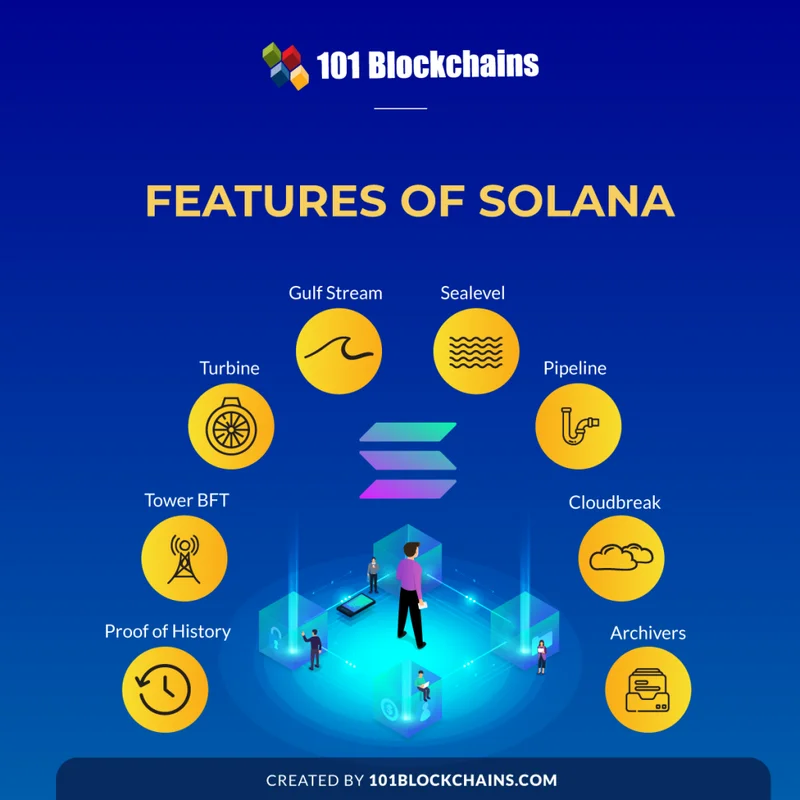
Why would they do this? Is it just too complicated for the old-guard finance world to handle? Or is it about control? Staking gives you a voice, a role in the network's governance. By keeping the SOL inert, they turn a dynamic piece of a decentralized network into a sterile, static number on a balance sheet. It’s a neutered asset, made safe for a system that fears anything it can’t completely own. Offcourse, the press releases won't mention this. They'll talk about "diversity" and "market confidence," because that sounds a lot better than "we took the engine out of the car so it would be easier to polish."
This is just another financial product. No, 'product' is too clean a word—it’s another shrink-wrapped derivative designed to let big money get exposure without getting its hands dirty. This ain't about building a new internet; it’s about selling tickets to the museum where the old internet used to be. And the fact that everyone is celebrating this feels... exhausting. It reminds me of when every company on earth suddenly became a "fintech" company just by adding a 'buy now, pay later' button to their checkout page. We're not innovating, we're just financializing.
A Golden Leash from Beijing
The timing here is the real tell. Hong Kong greenlights this ETF, beating the US to the punch while the SEC is stuck in bureaucratic mud. On the surface, it looks like Hong Kong is a nimble, forward-thinking crypto hub. But pull back the curtain and what do you see? Beijing.
This is all happening while mainland China is tightening its grip on Hong Kong’s digital asset scene, putting the brakes on other projects. This isn’t a contradiction. It’s a strategy. You don’t let the wild animals run free; you build a beautiful, state-of-the-art zoo. This ETF is the new star exhibit. It’s crypto on a leash, a very shiny, very expensive golden leash. It provides a "proper, regulated channel" that can be monitored, controlled, and, if things get messy, unplugged.
So while America argues about investor protection, China just acts. They’re not fostering a decentralized revolution; they’re co-opting the branding to build a more efficient, centrally-controlled market. They want the upside of digital assets without any of the messy, anti-authoritarian philosophy that birthed them in the first place.
And the crypto industry is just eating it up. They’re so desperate for mainstream validation, for a nod from the adults in the room, that they’ll gladly hand over their principles for a ticker symbol and a bit of institutional inflow. They want us to see this as a huge leap forward, but to me, it just looks like the same old game with new players. Maybe I'm the crazy one here, but I thought the whole point was to build something different, not just a faster horse for the same broken-down carriage.
Just Another Wall in the Garden
So, no, I’m not celebrating. This isn't a victory for Solana or for crypto. It’s a victory for the box-tickers and the compliance officers. It’s the official welcoming of a once-rebellious technology into the fold of the establishment, but only after it’s been declawed, defanged, and stripped of its most potent feature. This is how innovation dies—not with a bang, but with a regulatory filing and a press release full of empty platitudes. Welcome to the future, I guess. It looks a lot like the past, just with better branding.

- Search
- Recently Published
-
- Duke Energy: What's Really Going On?
- Value City Furniture: Are they finally going out of business? The bankruptcy talk.
- Scott Bessent: Who Is This Guy, The Trump Whispers, And What Are They Not Telling Us?
- American Signature Files Chapter 11: What Happened?
- Tesla Ride-Hail in Arizona: What This Means for the Future of Mobility
- OECD: What it is, and its AI Data Focus
- Nebius: Stock, Coreweave, & Nvidia – What's the Real Deal?
- Bitcoin: Beyond the Headlines, What This Moment Truly Signals
- Social Security Retirement: The Realities of Your Payouts and How to Plan
- Starlink Satellites: How Many Are Really Up There, Where They're Hiding, & What's The Actual Point?
- Tag list
-
- carbon trading (2)
- financial innovation (2)
- blockchain technology (2)
- carbon tokens (2)
- Blockchain (11)
- Decentralization (5)
- Smart Contracts (4)
- Cryptocurrency (26)
- DeFi (5)
- Bitcoin (29)
- Trump (5)
- Ethereum (8)
- Pudgy Penguins (5)
- NFT (5)
- Solana (7)
- cryptocurrency (6)
- XRP (3)
- Airdrop (3)
- MicroStrategy (3)
- Stablecoin (3)
- Digital Assets (3)
- PENGU (3)
- Aster (8)
- Zcash (6)
- iren stock (3)